

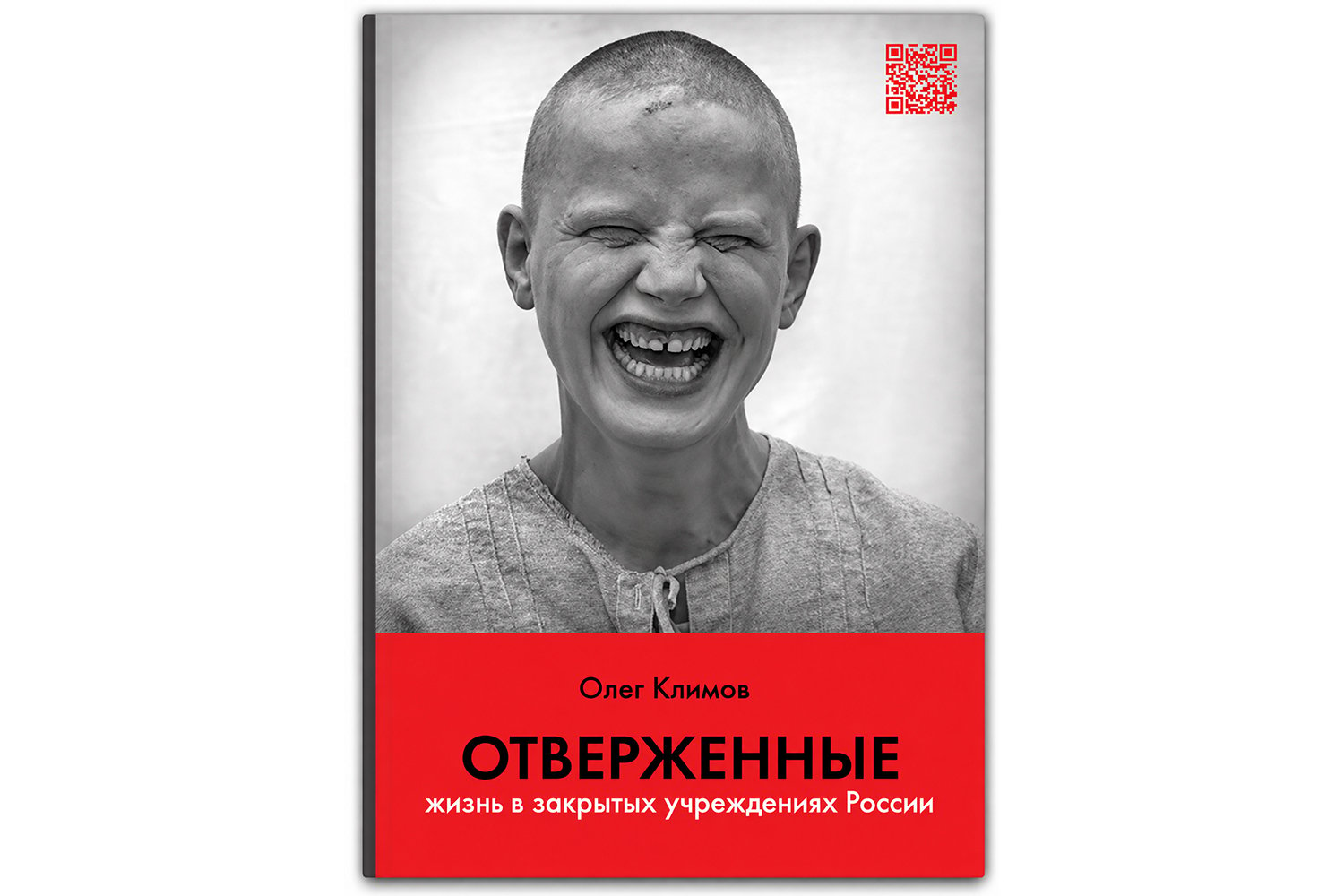
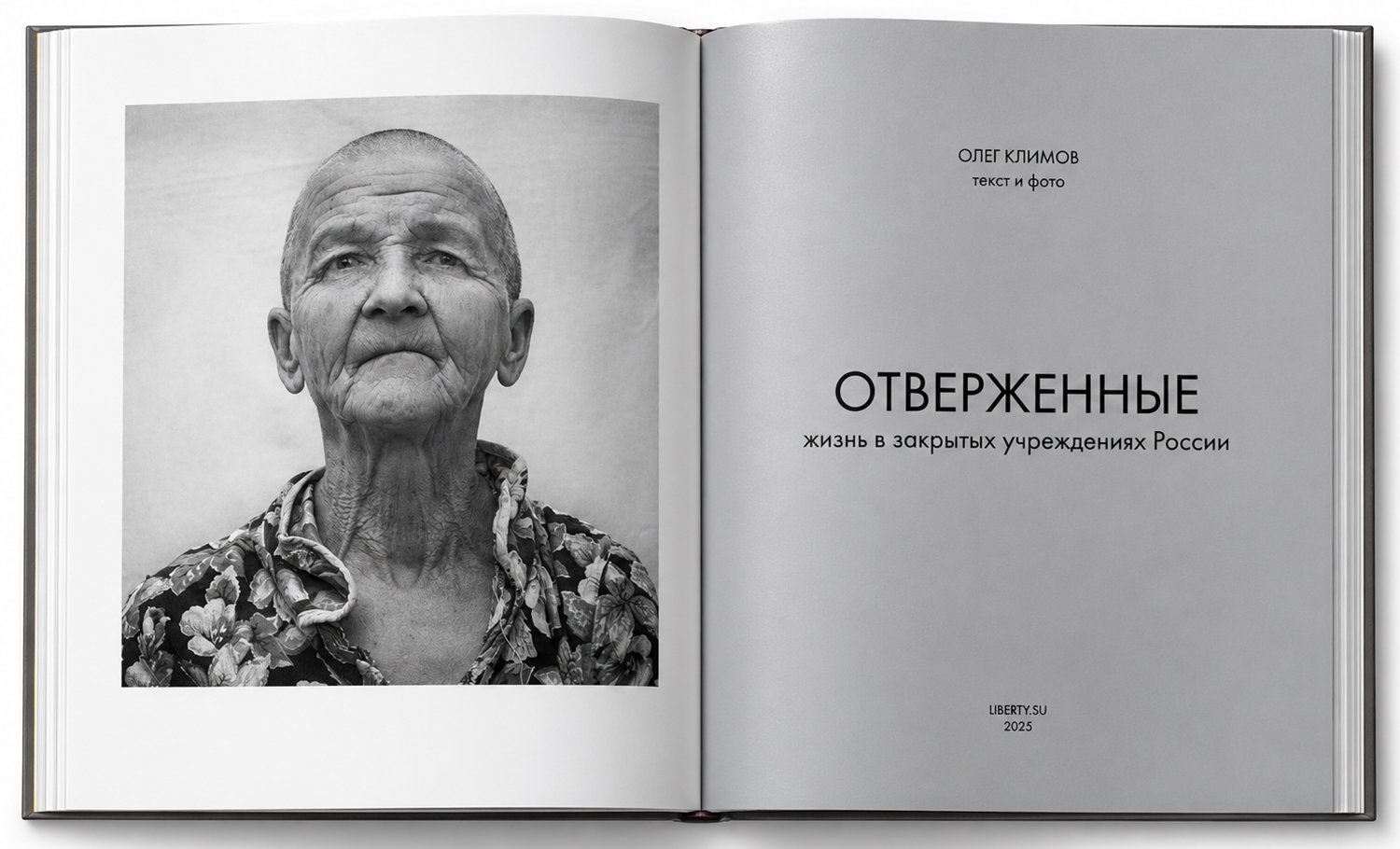
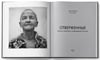
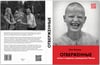

The Outcasts: Life in Russia’s Closed Institutions
The story of this book is remarkable.
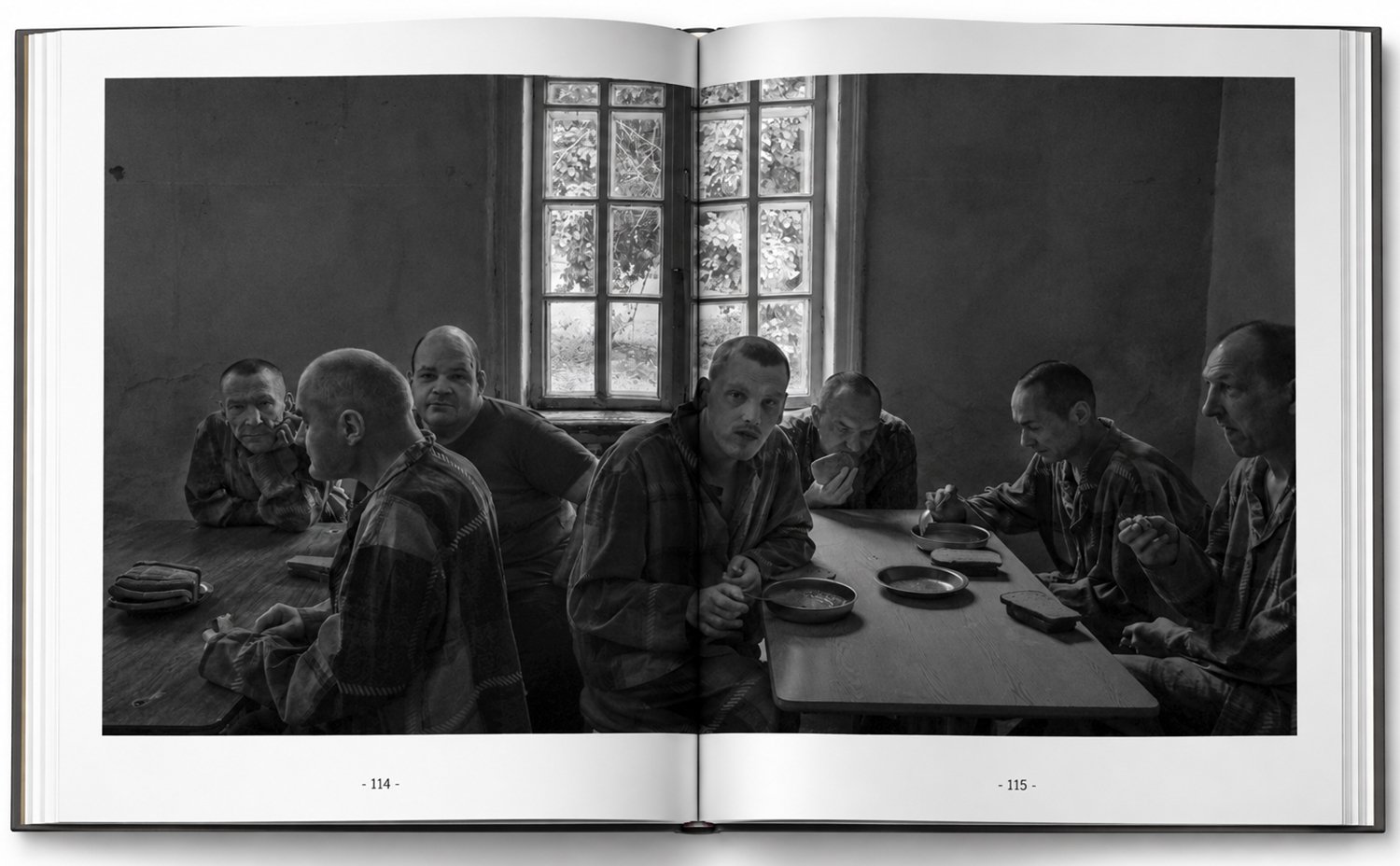
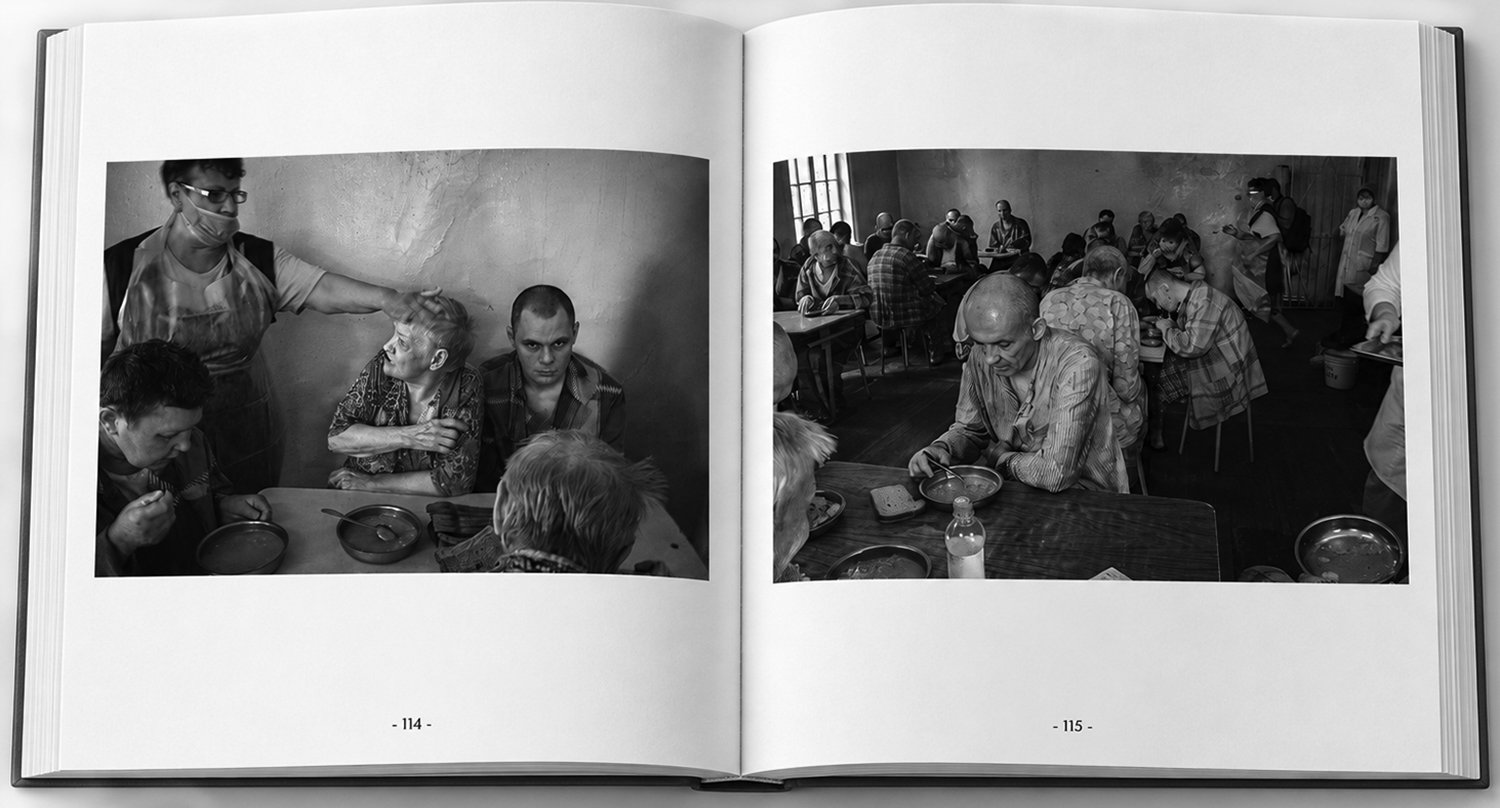
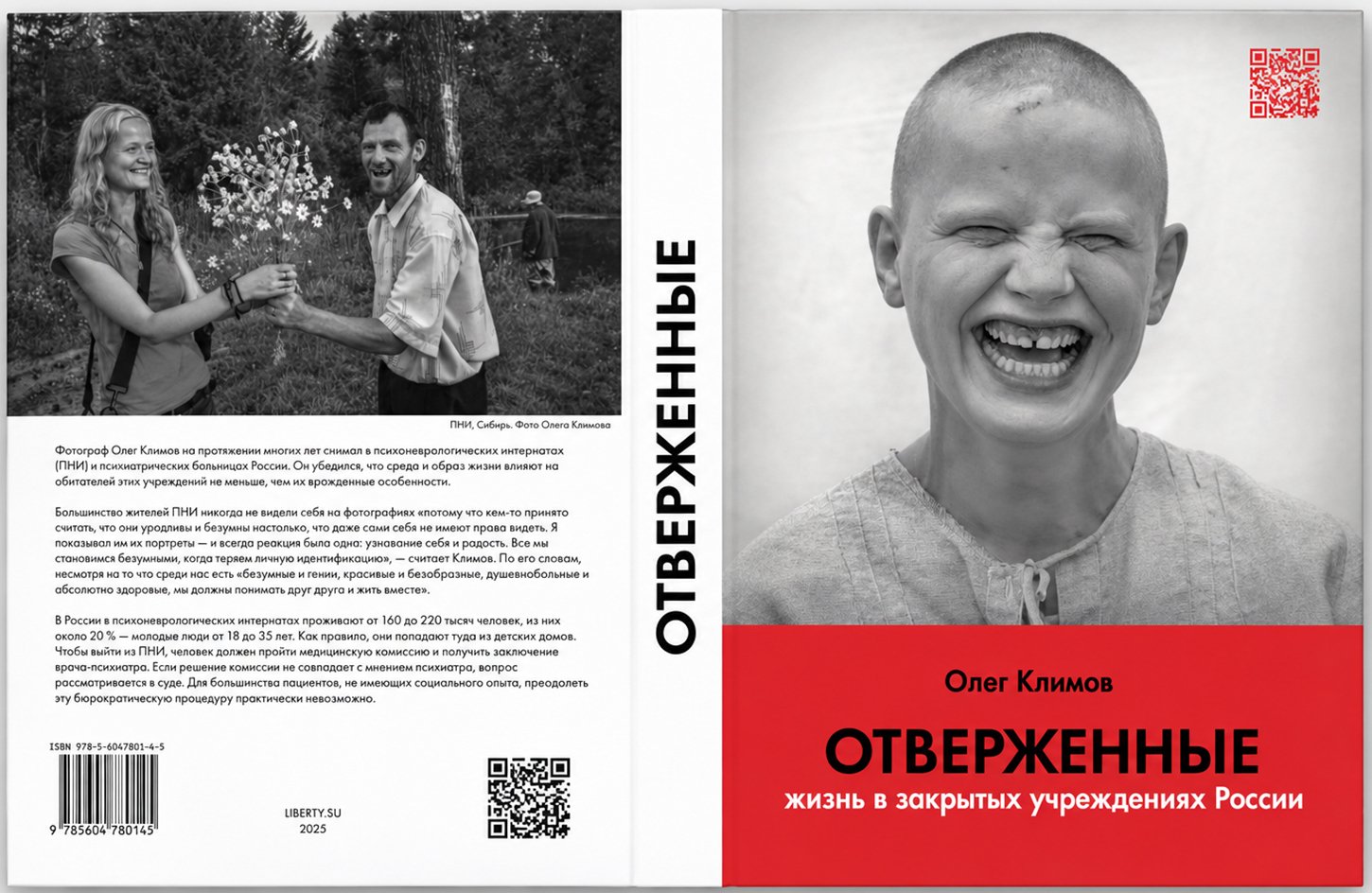
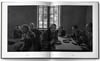
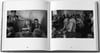
For many years, photographer Oleg Klimov photographed inside Russia’s psycho-neurological residential institutions — known in Russian as PNIs — as well as psychiatric hospitals and other closed institutions. Over time, he became convinced that the environment and everyday way of life shape the people who live in these places no less than congenital conditions, diagnoses or disabilities.
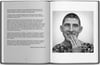
Most residents of Russia’s PNIs have never even seen themselves in photographs.
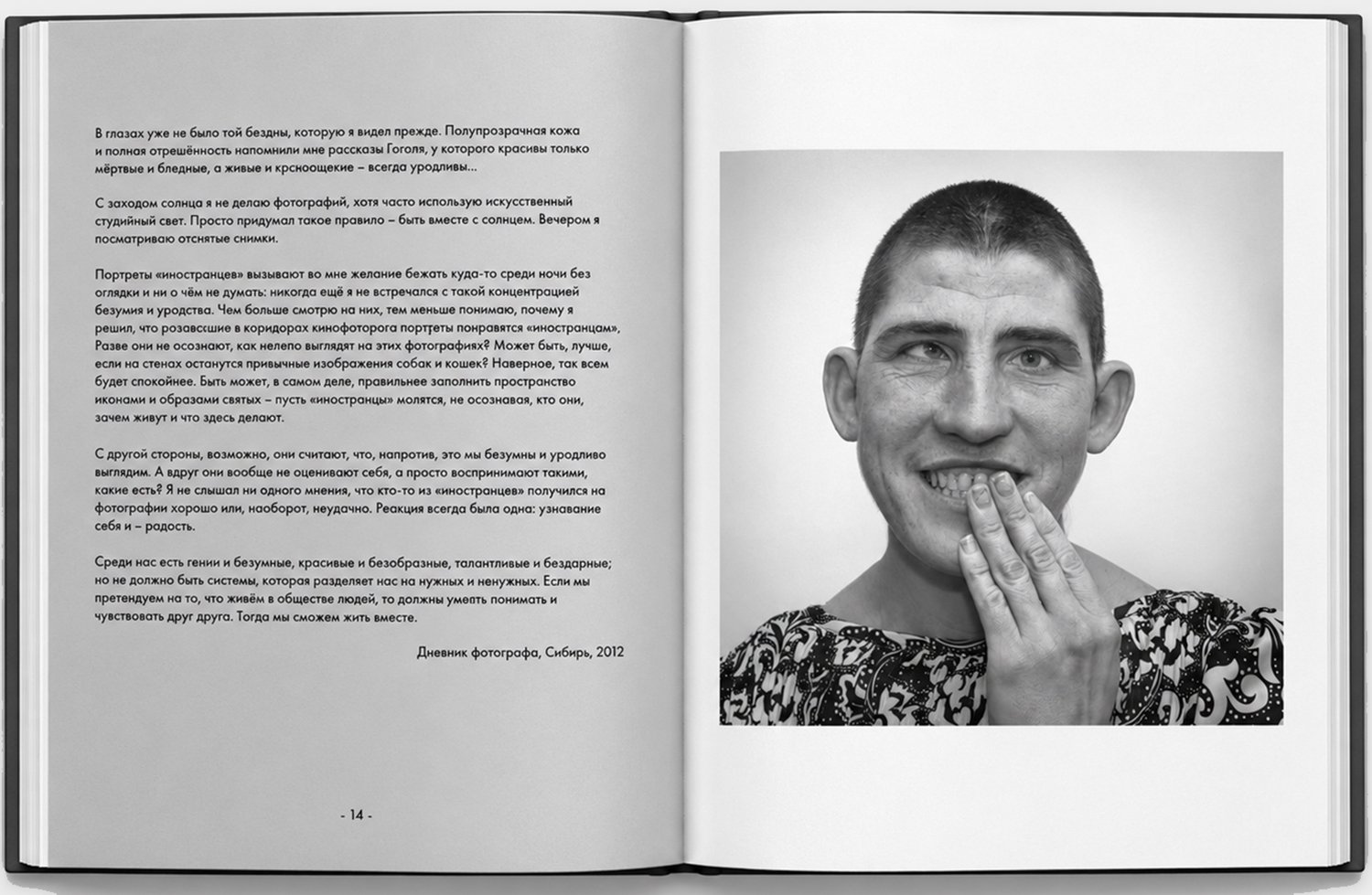
“Because someone has decided that they are so ugly and so insane that they do not even have the right to see themselves,” says Klimov. “I showed them their portraits, and the reaction was almost always the same: recognition of oneself, and joy. We all become mad when we lose our personal identity.”
Klimov believes that, although among us there are “the mad and the gifted, the beautiful and the disfigured, the mentally ill and the completely healthy,” we still have to learn to understand one another and live together.
According to official statistics, Russia has around 650 psycho-neurological residential institutions, home to more than 155,000 people. These institutions are usually located in small villages, far from cities — often in forests or along riverbanks. Almost always, they are placed where it is difficult for us to encounter the people who live there. In addition, such institutions cannot be visited without special permission.
They do not know how we live.
We do not know how they live.
The Outcasts is an attempt to restore visibility to people whom the system has hidden behind walls. There is no pity here, and no sensation. There is only an encounter, a gaze, and the human right to be seen.
ISBN 978-5-6047801-4-5
Paper: coated paper
Weight: 980 g
Without packaging Dimensions: 15 × 215 × 300 mm